Complete History & Pride of India
Detailed History of the Tiranga
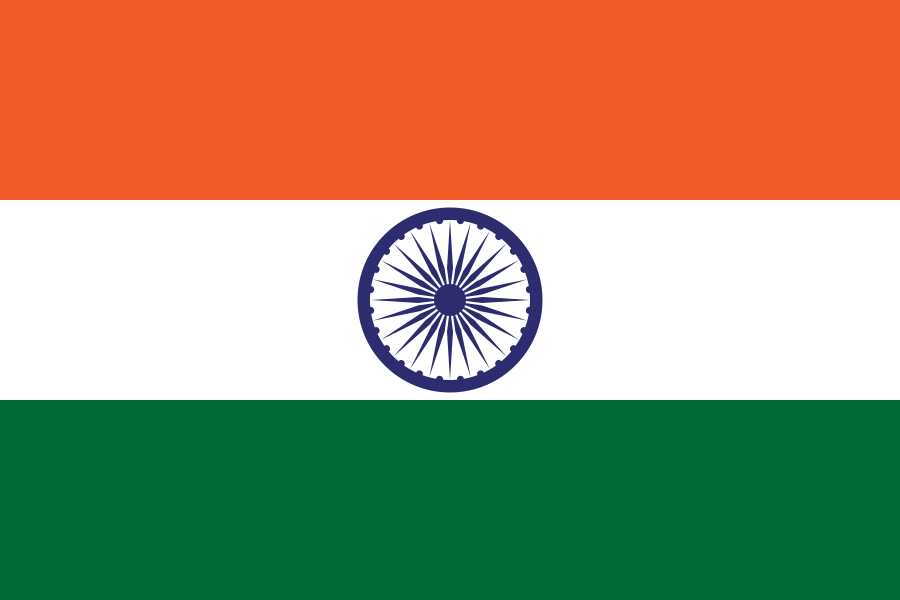
The journey of the Indian national flag is deeply connected with India's freedom struggle. Before independence, several versions of flags were proposed by freedom fighters. The final design, created by Pingali Venkayya, was adopted on July 22, 1947. It was inspired by earlier flags used during movements led by Mahatma Gandhi and other leaders. The addition of the Ashoka Chakra replaced the spinning wheel (Charkha), symbolizing law, motion, and righteousness.
Symbolism of the Ashoka Chakra
The Ashoka Chakra, placed at the center of the white band, has 24 spokes representing the 24 hours of the day. It stands for continuous progress and justice. Inspired by the Lion Capital of Ashoka, it reminds citizens that stagnation leads to death, while movement leads to life and growth.
Tiranga Etiquette (Flag Code of India)
The Indian flag must always be treated with dignity and respect. It should never touch the ground or be used as clothing or decoration in a disrespectful manner. It must be hoisted with the saffron color on top and should be displayed in a position of honor. Citizens are encouraged to follow these rules to maintain the pride of the nation.
When is the Tiranga Hoisted?
The Tiranga is proudly hoisted during national occasions such as Independence Day (15 August), Republic Day (26 January), and Gandhi Jayanti (2 October). It is also used in government institutions, schools, and special events to show patriotism and unity.
Why Tiranga is Important for Every Indian
The Tiranga is not just a flag—it is a symbol of sacrifice, unity, and national pride. Millions of freedom fighters gave their lives for the country, and the flag represents their courage and dedication. It inspires every citizen to contribute positively to the nation and uphold its values.
Interesting Facts About Tiranga
- The flag is always made in a rectangular shape with a ratio of 3:2.
- Khadi was originally the only material allowed for making the flag.
- The Ashoka Chakra was taken from the Ashoka Pillar at Sarnath.
- India’s flag code was modified in 2002 allowing citizens to hoist the flag at home.
Tiranga in Action

The Tiranga flying high represents the strength and unity of India across the world.
Freedom Fighters & Tiranga

During the freedom struggle, the flag became a symbol of resistance and hope.
Ashoka Chakra Close View

The 24-spoke wheel symbolizes law, motion, and righteousness.
Tiranga Gallery


History of Tiranga
The Indian flag was adopted on July 22, 1947 and designed by Pingali Venkayya representing unity and independence.
Importance
The Tiranga symbolizes courage, peace, and prosperity and is respected across the nation.